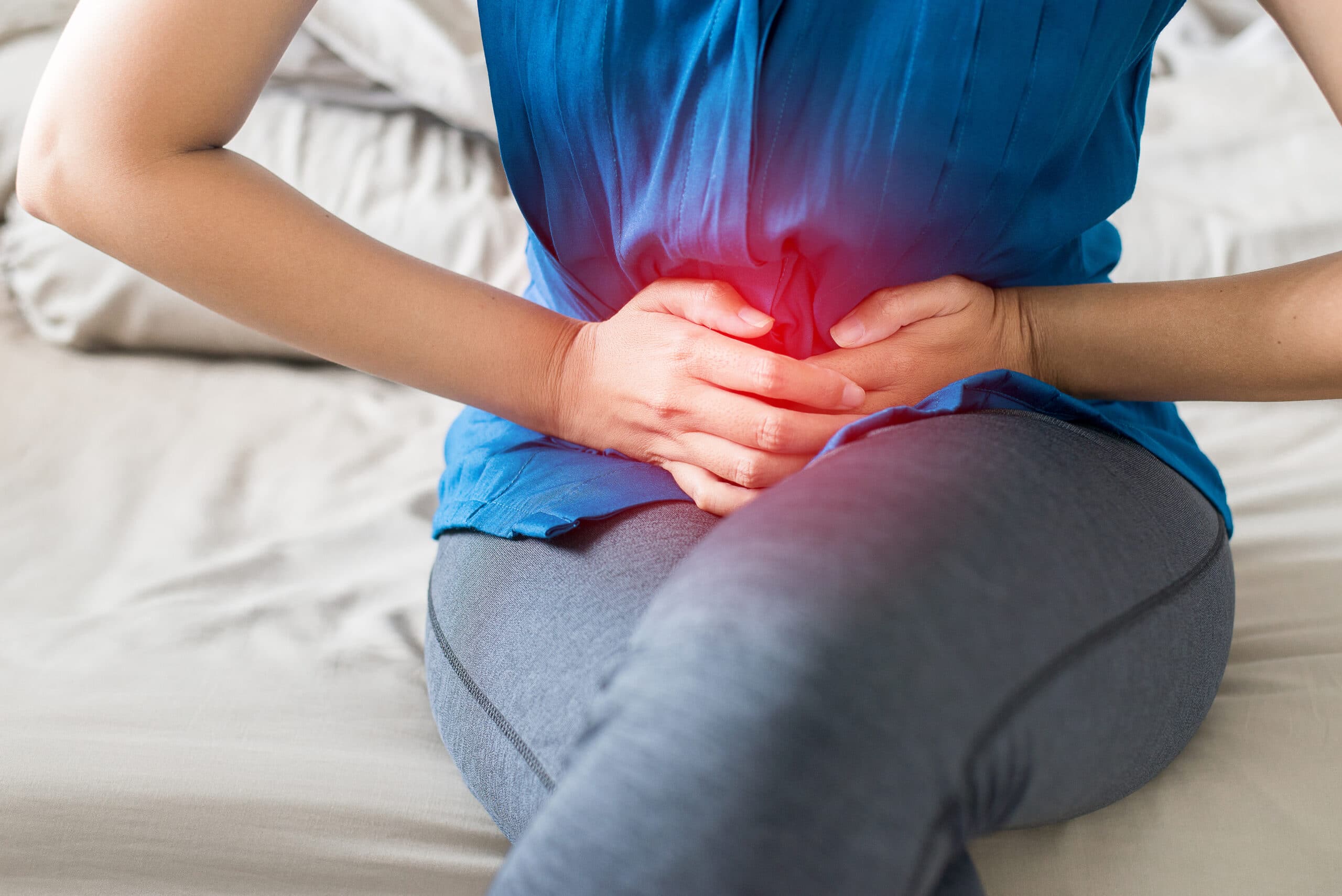
Chronic pelvic pain is a condition that affects about one in seven women in the United States and is defined as pain that occurs in the pelvic area (below the belly button) and lasts for at least six months. It may or may not be associated with menstrual periods.
The presence and severity of endometriosis don’t always perfectly match up with pelvic pain in many cases. For instance, a woman with severe chronic pelvic pain might only have a small amount of endometriosis found at the time of surgery. Conversely, a woman with substantial endometriosis found during surgery may have never faced a day of pelvic pain in her life. Often, patients with chronic pelvic pain have no endometriosis found during surgery.
Our Viewpoint
Chronic pelvic pain is a multifactorial problem that usually encompasses many etiologies. This makes treatment much more difficult and requires a stepwise, systematic, comprehensive approach. The Endometriosis Treatment Center of America recommends and offers multiple treatment modalities to treat the disease and provide symptom relief through pain-control measures.
Relevance
Even with complete excision of endometriosis, patients can have chronic pelvic pain. Years of discomfort and inflammation can create sequelae that lead to lingering symptoms. We embrace a comprehensive, holistic approach to our patients to ensure that we are addressing the chronic pelvic pain problems with a multi-modal approach!
- https://obgyn.onlinelibrary.wiley.com/doi/10.1002/ijgo.13423 (opens in new tab)
- https://pubmed.ncbi.nlm.nih.gov/31793050/ (opens in new tab)
- https://pubmed.ncbi.nlm.nih.gov/28049214/ (opens in new tab)
- https://pubmed.ncbi.nlm.nih.gov/30566980/ (opens in new tab)
- https://pubmed.ncbi.nlm.nih.gov/31311560/ (opens in new tab)