Pelvic pressure, bladder leaks, painful intercourse, or the feeling that something is falling out of the vagina can be upsetting and hard to ignore. These symptoms may be signs of pelvic organ prolapse, a condition that can affect comfort, movement, intimacy, and daily confidence.
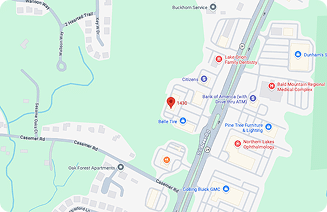
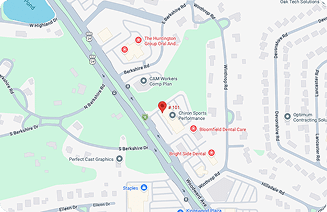
Pelvic organ prolapse procedures can help restore pelvic support when nonsurgical care and lifestyle changes are not enough. The Endometriosis Treatment Center of America provides advanced pelvic health care for women with prolapse, pelvic pain, bladder concerns, and related gynecologic conditions. Led by Jonathan Zaidan, MD, FACOG, the practice offers specialized care in Lake Orion and Bloomfield Hills, with a focus on minimally invasive surgery, endometriosis treatment, and complete support through each phase of care.
What Is Pelvic Organ Prolapse?
Pelvic organ prolapse happens when the muscles and connective tissues in the pelvis weaken. These tissues normally help hold the uterus, bladder, rectum, small intestines, and upper vagina in place.
When support weakens, one or more pelvic organs may slip down into the vaginal canal. In more advanced cases, tissue may move toward or outside the vaginal opening. This can cause pressure, pain, urinary symptoms, and a heavy or bulging feeling.
Pelvic organ prolapse can happen after childbirth, aging, menopause, chronic straining, heavy lifting, or prior pelvic surgery. The right treatment depends on the organ involved, the severity of symptoms, and your overall health.
Types of Pelvic Organ Prolapse
There are several types of pelvic organ prolapse. Some patients have one type, while others have more than one area of weakened support.
Common types include:
- Cystocele: The bladder sags or herniates into the vagina.
- Rectocele: The rectum sags or herniates into the vagina.
- Enterocele: The small intestines sag or herniate into the vagina.
- Uterine prolapse: The uterus sags or herniates into the vagina.
- Vaginal vault prolapse: The top of the vagina sags or herniates into the vagina.
A pelvic exam can help identify which organs are involved. Your provider can then explain which prolapse treatment options may fit your needs.
Symptoms of Pelvic Organ Prolapse
Pelvic organ prolapse symptoms can range from mild to severe. Some women notice symptoms only during exercise or after standing for long periods, while others feel discomfort throughout the day.
Symptoms may include:
- Pressure or fullness in the pelvic area
- Painful intercourse
- A feeling that something is falling out of the vagina
- Leaking urine
- A frequent or urgent need to urinate
- Pelvic heaviness
- Trouble fully emptying the bladder or bowels
Because these symptoms can overlap with bladder control concerns, pelvic floor problems, fibroids, or endometriosis, a full evaluation is important.
When Is Surgery Considered?
Surgery may be considered when pelvic organ prolapse causes pain, pressure, bladder problems, sexual discomfort, or daily limits that do not improve with nonsurgical care. Lifestyle changes, pelvic floor therapy, or support devices may help some patients, but more advanced prolapse may require repair.
The choice of surgery depends on:
- Which organs are involved
- How severe your symptoms are
- Whether the uterus is involved
- Your medical history
- Your future health goals
- Any other pelvic conditions present
The Endometriosis Treatment Center of America can review your options and explain what each procedure may involve.
Colporrhaphy
Colporrhaphy is a minimally invasive surgical procedure that repairs and strengthens the vaginal wall after pelvic organ prolapse. It is often used when the bladder or rectum has shifted into the vagina.
Anterior colporrhaphy repairs a cystocele through an incision in the vagina. Posterior colporrhaphy repairs a rectocele through an incision in the vagina.
This procedure helps restore support to the vaginal wall and reduce symptoms such as pressure, bulging, and discomfort.
Sacrocolpopexy
Sacrocolpopexy is a procedure used to repair uterine prolapse or vaginal vault prolapse. During this surgery, mesh material may be used to support the top of the vagina by connecting it to the tailbone area.
Sacrocolpopexy may be performed through an abdominal incision or with minimally invasive techniques such as laparoscopy. Your provider will explain the approach that best fits your anatomy, symptoms, and surgical history.
Enterocele Repair
Enterocele repair treats prolapse involving the small intestines. This procedure is commonly performed through an incision in the vagina.
The goal is to restore support where the small bowel has pushed down into the vaginal space. Repair may help reduce pelvic pressure, bulging, and discomfort.
Why Choose the Endometriosis Treatment Center of America for Pelvic Organ Prolapse Procedures in Lake Orion, MI?
The Endometriosis Treatment Center of America is known for advanced endometriosis care, robotic surgery, pelvic pain treatment, and bladder control services. This focus is important because prolapse symptoms can overlap with several pelvic health conditions that require careful evaluation.
Dr. Jonathan Zaidan, MD, FACOG, is the President and Founder of the Endometriosis Treatment Center of America. He is a board-certified OB/GYN who specializes in minimally invasive surgery and is recognized for his work with da Vinci robotic surgery for endometriosis and pelvic pain.
ETCA also values clear communication and transparency. For endometriosis surgery, the practice may provide real pathology reports showing evidence of disease removal. That same commitment to detail guides pelvic organ prolapse care, helping patients understand their diagnosis, procedure options, and recovery expectations.
Restore Pelvic Support in Lake Orion, MI
Pelvic organ prolapse can cause pressure, leaking, pain, and a sense that your body is no longer working the way it should. With the right diagnosis and treatment plan, many women can improve comfort, support, and daily function.
The Endometriosis Treatment Center of America provides pelvic organ prolapse procedures in Lake Orion, MI, with additional care available in Bloomfield Hills, MI. To speak with the team, call (248) 731-2141.