Leaking urine when you laugh, cough, sneeze, exercise, or lift something heavy can feel frustrating and embarrassing. So can racing to the bathroom with a sudden urge to urinate or waking up often at night because your bladder will not settle down. Urinary frequency and incontinence are common, but they are not symptoms you have to quietly work around.
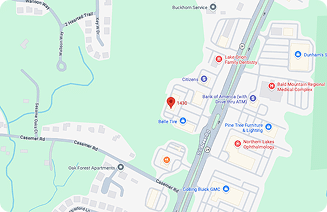
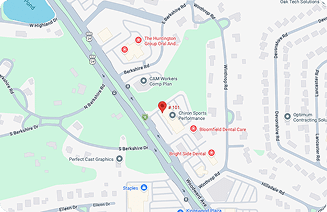
Bladder control treatment can help identify the type of urinary problem you have and guide care that helps reduce leakage, urgency, and frequent bathroom trips. The Endometriosis Treatment Center of America provides discreet testing and treatment for urinary frequency and incontinence in Lake Orion and Bloomfield Hills, MI. Led by Dr. Jonathan Zaidan, MD, FACOG, the team offers advanced women’s health care, including pelvic pain treatment, bladder control procedures, endometriosis care, and minimally invasive gynecologic options.
What Are Urinary Frequency and Incontinence?
Urinary frequency means needing to urinate more often than usual. You may feel like your bladder is always full, need to plan your day around bathrooms, or wake up several times at night to urinate.
Urinary incontinence is the involuntary loss of urine. It may happen in small leaks or larger accidents. Women are more likely than men to be affected, and many delay care because they feel uncomfortable talking about it.
Urinary symptoms can happen for many reasons, including pelvic floor changes, bladder muscle problems, nerve signals, childbirth, menopause, pelvic pain conditions, and other health concerns. The good news is that many bladder control problems are treatable.
Types of Urinary Incontinence
Different types of urinary incontinence need different treatment plans. That is why testing and diagnosis are important.
- Overactive bladder or urge incontinence causes a sudden need to urinate. Leakage may happen before you can reach the bathroom.
- Stress incontinence happens when pressure on the abdomen causes urine loss. This may occur with laughing, coughing, sneezing, exercise, or heavy lifting.
- Overflow incontinence occurs when the bladder does not empty well. This can lead to frequent urination, dribbling, or the feeling that you still need to go after urinating.
Some women have more than one type of incontinence. A clear diagnosis helps your provider recommend the right treatment.
Symptoms That May Point to a Bladder Control Problem
You may benefit from an evaluation if urinary symptoms are interfering with your normal routine, sleep, work, exercise, or intimacy.
Common symptoms include:
- Leaking urine with coughing, laughing, sneezing, or exercise
- Sudden strong urges to urinate
- Frequent bathroom trips
- Waking at night to urinate
- Trouble emptying the bladder
- Dribbling after urination
- Bladder pressure or urgency
- Avoiding activities because of fear of leakage
Urinary frequency and incontinence may also occur alongside pelvic pain, painful urination, endometriosis, vulvodynia, or other pelvic health concerns. A complete evaluation can help uncover related factors.
Testing and Diagnosis
The Endometriosis Treatment Center of America offers convenient and discreet in-office testing for urinary incontinence. Urodynamic testing is used to evaluate how your bladder works.
During urodynamic testing, the bladder is filled with a sterile solution while pressure is measured. This helps the care team understand how the bladder stores and releases urine.
The results can help identify whether your symptoms are linked to overactive bladder, stress incontinence, overflow incontinence, or another issue. From there, your provider can create a customized bladder control treatment plan.
Urinary Frequency and Incontinence Treatment Options
Treatment depends on the type of urinary condition you have, your symptoms, and your overall pelvic health. Many patients improve with nonsurgical or minimally invasive care.
Treatment options may include:
- Medication to calm bladder symptoms or reduce urgency
- BOTOX® injections to the bladder for certain overactive bladder symptoms
- EMSELLA® kegel therapy to strengthen pelvic floor muscles
- Nerve stimulation, such as Axonics, to send signals to the bladder and pelvic floor
- Pelvic health guidance to support bladder function
- Care for related pelvic pain or endometriosis symptoms when present
- Electrical stimulation, using InterStim®, to help regulate bladder function.
The goal is to reduce leakage, improve bladder control, and help you feel more confident in daily life.
Why Choose the Endometriosis Treatment Center of America for Urinary Frequency and Incontinence in Lake Orion, MI?
The Endometriosis Treatment Center of America understands that bladder symptoms are often connected to the larger picture of pelvic health. The team evaluates urinary frequency, incontinence, pelvic pain, painful urination, endometriosis, painful intercourse, and related conditions with care and discretion.
Dr. Jonathan Zaidan, MD, FACOG, is a board-certified OB/GYN and President and Founder of ETCA. He specializes in minimally invasive surgery and advanced care for endometriosis and pelvic pain concerns. The practice also provides bladder control procedures, complete excision of endometriosis, fertility preservation support, allergy testing, and specialty virtual care.
ETCA is also known for transparency in endometriosis care. When endometriosis tissue is removed, specimens may be sent to pathology so patients receive real documentation of disease removal. This detailed approach helps patients better understand their symptoms and care options.
Take Control of Bladder Symptoms
Urinary frequency and incontinence can affect your confidence, sleep, exercise, relationships, and daily routine. With discreet testing and treatment options, you can identify the cause of your symptoms and explore care that helps you regain control.
To request a consultation for urinary frequency and incontinence in Lake Orion, MI, call The Endometriosis Treatment Center of America at (248) 731-2141. The practice serves patients in Lake Orion, Bloomfield Hills, and beyond through in-person visits and specialty virtual care.