Years of pelvic pain, heavy menstrual bleeding, painful cramps, and pain during intercourse can make it hard to feel in control of your health. When endometriosis or other gynecologic conditions continue to disrupt daily life despite medication, hormone therapy, or prior procedures, a robotic hysterectomy may be an option to consider.
Robotic hysterectomy is a minimally invasive surgery that removes the uterus using small incisions, a tiny camera, and robotic-assisted surgical tools. The Endometriosis Treatment Center of America provides advanced robotic gynecologic surgery for patients with endometriosis, pelvic pain, fibroids, heavy bleeding, and related conditions. Led by Jonathan Zaidan, MD, FACOG, the practice is known for specialized endometriosis care, complete excision surgery, da Vinci robotic surgery, and clear documentation through pathology-supported results.
What Is a Robotic Hysterectomy?
A robotic hysterectomy is a surgical procedure that removes the uterus with the help of the da Vinci robotic surgical system. Depending on the patient’s diagnosis and goals, the procedure may also include removal of the fallopian tubes, ovaries, cervix, or other tissue.
A hysterectomy may be recommended for certain patients with severe endometriosis, chronic pelvic pain, large fibroids, heavy bleeding, or other complex gynecologic concerns. After a hysterectomy, menstrual periods stop, and pregnancy is no longer possible.
If the ovaries are removed, menopause begins right away. This may cause symptoms such as hot flashes or vaginal dryness, and your provider may discuss hormone therapy when appropriate.

Robotic Hysterectomy for Endometriosis
Endometriosis occurs when tissue similar to the uterine lining grows outside the uterus. Over time, this tissue can contribute to scar tissue, inflammation, pelvic pain, painful periods, painful intercourse, and heavy menstrual bleeding.
For some patients, a robotic hysterectomy may help reduce symptoms when other treatments have not provided enough relief. It is not the right choice for everyone, especially those who plan to become pregnant in the future.
Benefits of Robotic Surgery
Robotic surgery uses small incisions and advanced instruments to help the surgeon work with precision. Compared with open abdominal surgery, this approach may reduce the strain on surrounding tissue.
Possible benefits of robotic surgery include:
- Smaller incisions
- Less pain for many patients
- Less blood loss
- Fewer complications for some patients
- Less scarring
- A shorter hospital stay
- A faster return to normal daily activities
Every surgery has risks, and results can vary. Dr. Zaidan will review your medical history, symptoms, diagnosis, and goals before recommending a surgical plan.
How Does a Robotic Hysterectomy Work?
Although the procedure uses robotic technology, the robot does not perform the surgery on its own. Your surgeon controls the robotic instruments throughout the procedure.
During surgery, a tiny camera and surgical tools are placed through small incisions in the lower abdomen. The camera gives the surgeon a high-definition, three-dimensional view of the treatment area. Using a robotic controller, the surgeon moves the instruments with careful, small movements.
This approach may be especially helpful for complex cases involving endometriosis, large fibroids, scar tissue, or other pelvic concerns. The small instruments can allow for careful work with less trauma to surrounding tissue than an open abdominal procedure.
Who May Be a Candidate?
You may be a candidate for robotic hysterectomy if symptoms are interfering with your health and less invasive treatments have not provided enough relief.
A robotic hysterectomy may be considered for:
- Severe endometriosis
- Chronic pelvic pain
- Heavy menstrual bleeding
- Large or difficult fibroids
- Painful intercourse related to pelvic disease
- Painful menstrual cramps
- Certain complex gynecologic conditions
This surgery is a major decision. Your care team will explain whether hysterectomy, robotic excision of endometriosis, robotic excision of uterine fibroids, hysteroscopy, or another treatment may better fit your needs.
Recovery After Robotic Hysterectomy
Recovery varies based on the extent of surgery, whether other organs or tissue were removed, and your overall health. Because robotic hysterectomy uses small incisions, many patients recover faster than they would after open abdominal surgery.
You may have soreness, fatigue, bloating, or light bleeding during early healing. Your provider will give you instructions for activity limits, incision care, medications, follow-up visits, and when to return to work or exercise.
It is important to give your body time to heal. The team will also discuss what to expect if your ovaries are removed and whether support for menopause symptoms may be needed.
Why Choose the Endometriosis Treatment Center of America for Robotic Hysterectomy in Lake Orion, MI?
The Endometriosis Treatment Center of America is focused on endometriosis, pelvic pain, robotic surgery, and complex women’s health conditions. This focus matters because patients considering robotic hysterectomy often have symptoms that overlap with endometriosis, fibroids, bladder concerns, pelvic floor dysfunction, or scar tissue.
Dr. Jonathan Zaidan, MD, FACOG, is the President and Founder of the Endometriosis Treatment Center of America. He is a board-certified OB/GYN who specializes in minimally invasive surgery and is recognized for his work with da Vinci robotic surgery for endometriosis and pelvic pain.
ETCA also emphasizes transparency. When endometriosis tissue is removed, the practice may provide real pathology reports that show evidence of disease removal. That added clarity can help patients better understand their diagnosis, treatment, and next steps.
Consider Robotic Hysterectomy in Lake Orion, MI
Robotic hysterectomy may help certain patients find relief from severe pelvic pain, heavy bleeding, endometriosis symptoms, or fibroid-related concerns when other treatments have not been enough. With advanced robotic surgery and a specialized care team, patients can receive guidance based on their diagnosis, symptoms, and long-term goals.
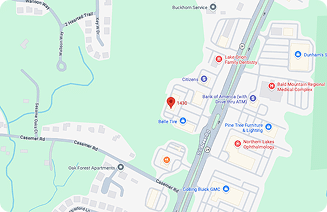
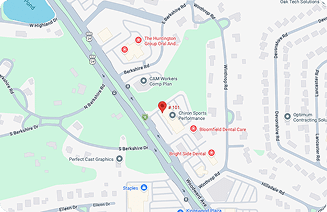
The Endometriosis Treatment Center of America provides robotic hysterectomy in Lake Orion, MI, with additional care available in Bloomfield Hills, MI. Contact us today at (248) 731-2141.