Pelvic pain, heavy bleeding, bladder leaks, painful periods, and pressure in the pelvis can affect daily life in ways that are hard to ignore. When symptoms keep returning or answers feel incomplete, finding the right specialist can make a major difference.
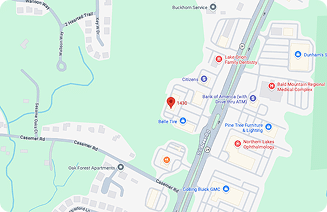
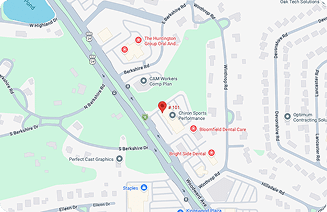
The Endometriosis Treatment Center of America provides advanced procedures and treatments in Lake Orion, MI, and Bloomfield Hills, MI, for women dealing with endometriosis, pelvic pain, bladder concerns, fibroids, and related gynecologic conditions. Led by Jonathan Zaidan, MD, FACOG, a board-certified OB/GYN and highly skilled da Vinci robotic surgeon, the team focuses on complete care, clear answers, and pathology-supported treatment results.
Robotic excision of endometriosis is a minimally invasive surgery used to remove endometriosis tissue from the pelvis. This approach allows the surgeon to work with precision through small incisions.
Complete excision is often preferred because it removes visible disease rather than only burning or suppressing it. For patients with pelvic pain, painful periods, pain with intercourse, or fertility concerns, robotic excision may help address the underlying source of symptoms.
A robot-assisted hysterectomy is a minimally invasive procedure to remove the uterus with robotic assistance. It may be recommended for certain patients with severe bleeding, chronic pelvic pain, fibroids, adenomyosis, or other gynecologic concerns.
Because the procedure uses small incisions, many patients may have less discomfort and a shorter recovery than with open surgery. Dr. Zaidan can help determine whether this option is a good fit for your symptoms, diagnosis, and long-term health goals.
Uterine fibroids can cause heavy periods, pelvic pressure, bloating, frequent urination, and fertility concerns. Robotic excision of uterine fibroids allows the surgeon to remove fibroid tissue while preserving the uterus when appropriate.
This option may be helpful for patients who want relief from symptoms but are not ready for a hysterectomy. Treatment depends on the size, number, and location of the fibroids.
Bladder leaks, urgency, and frequent urination can affect work, exercise, sleep, and confidence. ETCA offers bladder control procedures for women dealing with urinary incontinence or related pelvic floor concerns.
Treatment may include diagnostic testing, nonsurgical care, or advanced procedures, depending on the cause of the symptoms. The goal is to help patients regain comfort and control in daily life.
Pelvic organ prolapse happens when pelvic organs shift downward because the supporting muscles and tissues have weakened. Symptoms may include pelvic pressure, a bulge sensation, urinary changes, or discomfort during activity.
Treatment may involve lifestyle guidance, pelvic support options, or surgical repair. ETCA can evaluate the severity of prolapse and explain which options may fit your needs.
A hysteroscopy is a procedure that allows a doctor to look inside the uterus to diagnose and treat causes of abnormal bleeding. The procedure is done using a hysteroscope, a thin, lighted tube that is inserted into the vagina to examine the cervix and inside of the uterus. It can be recommended for patients experiencing abnormal bleeding, fibroids, chronic pelvic pain, adenomyosis, or other gynecologic conditions.
BOTOX injections may be used in women’s health care for certain bladder conditions or pelvic floor concerns. For some patients, BOTOX can help calm overactive muscles that contribute to urgency, frequency, or discomfort.
Allergy testing can be important when symptoms overlap with inflammation, immune response, pelvic pain, or bladder irritation. ETCA offers allergy testing as part of a broader care plan for patients whose symptoms may be linked to triggers.
Identifying allergies may help guide treatment choices and daily habits. This can be especially helpful for patients with ongoing symptoms that have not been fully explained.
EMSELLA is a noninvasive treatment designed to strengthen the pelvic floor. It may be recommended for certain patients with bladder leaks or pelvic floor weakness.
During treatment, patients remain fully clothed while the device stimulates pelvic floor muscle contractions. There is no surgery or downtime, making it a convenient option for many women.
Bladder instillation therapy places medication directly into the bladder to help calm irritation and discomfort. It may be used for patients with bladder pain, urgency, frequency, or symptoms linked to bladder inflammation.
Axonics therapy is an advanced option for certain bladder and bowel control problems. It uses gentle nerve stimulation to help improve communication between the bladder, bowel, and brain. This treatment may be considered when conservative options have not provided enough relief.
Why Choose the Endometriosis Treatment Center of America for Procedures and Treatments in Lake Orion, MI?
The Endometriosis Treatment Center of America is not a general gynecology practice that happens to treat endometriosis. The practice is focused on advanced endometriosis care, robotic surgery, complete excision, and pelvic health concerns that often require deeper investigation.
Dr. Jonathan Zaidan, MD, FACOG, is the President and Founder of the Endometriosis Treatment Center of America. As a board-certified OB/GYN and one of the nation’s leading da Vinci robotic surgeons, he focuses on minimally invasive surgery for endometriosis and pelvic pain. The team also includes experienced physician assistants who support patients through surgical and nonsurgical care.
Take the Next Step Toward Better Pelvic Health
If pelvic pain, endometriosis, fibroids, bladder leaks, or prolapse symptoms are affecting your life, specialized care can help you understand your options. The Endometriosis Treatment Center of America offers advanced procedures and treatments in Lake Orion, MI, with additional care available in Bloomfield Hills, MI.
To learn more, contact the Endometriosis Treatment Center of America at (248) 731-2141.